Navratri is a time of Happiness and joy, a celebration for all the people celebrating it, so, as the people of this culturally rich and heritage land, it becomes our responsibility to bring that vibrancy and purity to the food they eat!!!
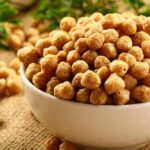
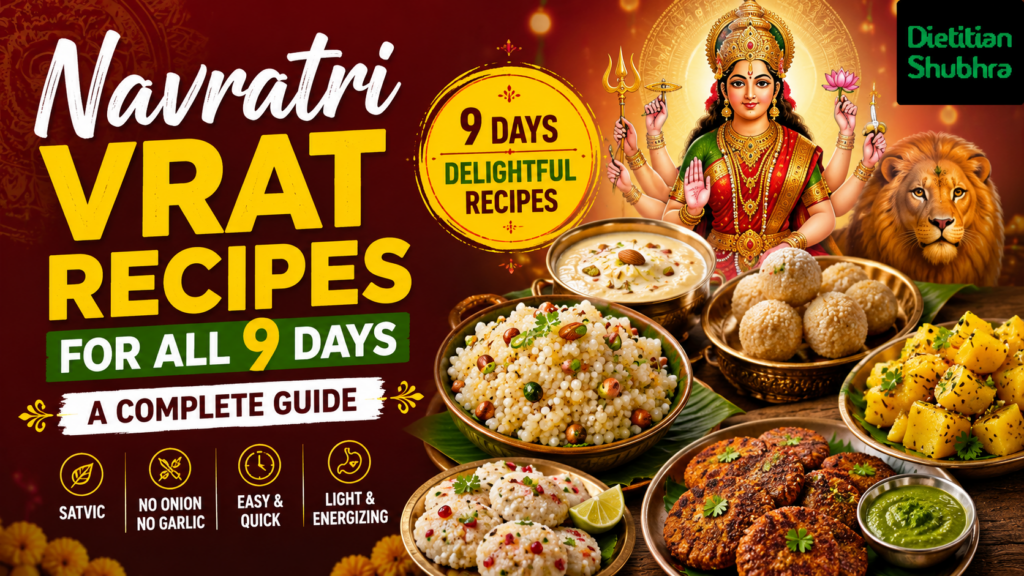
Especially during Sharad Navratri, this is the perfect opportunity to let loose and enjoy all your creative juices, as well as happy evenings after arti, when you can make all the cute dishes for you and your family. Dietitian Shubra is here to provide valuable insights on how to maintain a healthy diet during this festive season, and that is why we bring you Navratri Vrat Recipes for All 9 Days – A Complete Guide.
Navratri fasting is more than just a religious practice – it is a blend of devotion, discipline, and mindful living. Spiritually, it symbolizes cleansing the mind and body to connect deeply with the divine. Traditionally, fasting during Navratri is seen as a way to honor Goddess Durga and seek her blessings. From a health perspective, the sattvic diet followed during vrat helps detoxify the body, improve digestion, and boost energy levels. By avoiding heavy grains, onions, garlic, and processed foods, the body gets a much-needed break while nourishing ingredients like sabudana, kuttu, singhara, and fruits provide strength.
These are some of the things required for all the Navratri-fasters to follow, and will be at a lot more peace, health-wise, if followed patiently and regularly. For all those who feel like they wanna have a more detailed and extensive discussion about what to eat and what can be good for their body, and follow the right advice, can contact Dietitian Shubra, and get a free quote today! Get all your Vrat guidelines today.
Sabudana Khichdi is one of the most popular Navratri fasting dishes. Made with soaked tapioca pearls, peanuts, mild spices, and a hint of lemon, it is light yet filling. The combination of carbs from sabudana and protein from peanuts provides sustained energy throughout the day. Garnished with fresh coriander and served hot, this dish keeps you energized while maintaining sattvic purity. It’s also easy to digest, making it an ideal choice for the first day of fasting when the body is adjusting to lighter meals. Pair it with plain curd for a wholesome and satisfying vrat-friendly meal.
Sama rice, also known as barnyard millet, is a great substitute for regular rice during fasting. Sama Rice Khichdi is a comforting one-pot dish made with sama rice, boiled potatoes, mild spices, and ghee. It is light on the stomach yet rich in nutrients, offering energy and satiety. Unlike heavy grains, sama is gluten-free and digests easily, making it ideal for vrat days. This khichdi can be paired with plain curd or cucumber raita to enhance flavor and nutrition. A warm bowl of Sama Rice Khichdi not only nourishes but also keeps your fasting menu simple and wholesome.
Kuttu (buckwheat flour) is a vrat staple, and when turned into crisp, golden puris, it becomes an absolute treat. Served with a mildly spiced potato curry, this combination is filling, flavorful, and festive. The puris are made by kneading kuttu flour with boiled potatoes, which gives them softness and makes them easy to roll. Paired with a tangy aloo sabzi cooked in rock salt and green chilies, this duo is a crowd-favorite during Navratri. It’s a perfect meal for those craving a traditional Indian touch while fasting, offering a balance of taste and energy to keep you going strong.
Makhana Kheer is a delicious and nutritious dessert for Navratri fasting. Made with roasted fox nuts (makhana), simmered in milk, and sweetened with sugar or jaggery, this dish is rich in calcium, protein, and antioxidants. Flavored with cardamom and garnished with almonds, cashews, and pistachios, it brings a festive vibe to the vrat table. Makhana Kheer is light on digestion yet indulgent enough to satisfy sweet cravings. It not only serves as a dessert but also as an energy booster after long fasting hours. This creamy delicacy is a wonderful way to celebrate Day 4 with devotion and delight. Switching this with samak rice can also be a great way to have kheer this Navratri.
Rajgira (amaranth flour) is a powerhouse of protein, iron, and fiber, making it an excellent fasting ingredient. Rajgira Parathas are soft, flavorful flatbreads made by kneading the flour with boiled potatoes and a dash of rock salt. When served hot with fresh curd, they make a hearty and nourishing vrat meal. The parathas keep you full for longer and provide steady energy throughout the day. Lightly spiced with green chili and coriander, they add a delicious variety to the otherwise limited fasting menu. This wholesome dish is a perfect way to enjoy a satisfying meal while maintaining fasting rituals.
Singhara (water chestnut flour) is widely used in vrat recipes, and its halwa is a delightful sweet to relish during Navratri. Made with ghee, sugar, and Singhara flour roasted to perfection, this halwa is rich, aromatic, and soul-satisfying. It is often flavored with cardamom and garnished with nuts, making it both festive and nourishing. The dish is gluten-free and provides quick energy, ideal for days of fasting when the body requires both strength and comfort. This halwa not only satisfies sweet cravings but also offers warmth and positivity, making it a cherished recipe for Day 6 of Navratri.
Sama Rice Idli is a wholesome and innovative vrat-friendly twist on the traditional South Indian idli. Prepared with barnyard millet, curd, and mild spices, these idlis are steamed to perfection, making them light and fluffy. They are easy to digest and gluten-free, offering a healthy balance of carbs and protein. Served with coconut chutney (made vrat-friendly) or simple aloo curry, Sama Rice Idli makes for a complete and nourishing meal. It is perfect for those looking to experiment with fasting recipes beyond the usual khichdis and puris. A filling yet sattvic choice to energize your seventh day of Navratri.
Sweet Potato (Shakarkandi) Chaat is a tangy, spicy, and delicious vrat snack that doubles up as a fulfilling meal. Boiled sweet potatoes are tossed with rock salt, lemon juice, green chilies, and a dash of black pepper to create a burst of flavors. Rich in fiber, vitamins, and natural sweetness, sweet potatoes are a nutritious addition to fasting meals. This chaat is not only quick to prepare but also keeps you full for hours without feeling heavy. It’s the perfect way to enjoy a light yet flavorful meal while observing fasting traditions, especially on Ashtami when feasting follows rituals.
For those waiting for the ninth day, this is usually the day when you made it!!! This day is the 9-day ritual, which is opened with eating puris made out of wheat and block grams. For all those wondering if this is healthy, head over to our page for that discussion.
We hope you can get all the required information during this Navratri from our blogs and recipes. This Navratri is the best time to get in shape and in tune with your spiritual self. For more such recipes, contact Dietitian Shubra.
What foods are commonly allowed during Navratri fasting?
During Navratri, people usually avoid grains, onions, garlic, and certain spices. Instead, ingredients like sabudana, kuttu (buckwheat flour), singhara (water chestnut flour), potatoes, sweet potatoes, fruits, and dairy products are widely consumed.
Can we eat rice during Navratri fast?
Regular rice is avoided, but samak rice (barnyard millet) is a popular vrat-friendly alternative used for khichdi, pulao, and khee.
Can vrat recipes be healthy as well as filling?
Absolutely! Ingredients like sabudana, makhana, fruits, nuts, and yogurt provide energy while keeping the meals light and nutritious throughout the fasting days.
Are spices allowed in Navratri fasting food?
Yes, but only mild and natural spices like rock salt (sendha namak), cumin, black pepper, green chilies, and cardamom are used instead of regular table salt and heavy masalas.