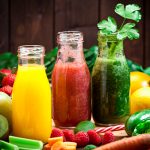
Beetroot Kanji is a traditional North Indian fermented beverage known for its tangy taste and powerful health benefits, especially during the winter season. Made by fermenting beetroot with water and aromatic spices, this probiotic-rich drink supports digestion, strengthens immunity, and helps maintain gut health naturally. How to make this doctor-esque of a beverage? We, here, Beetroot Kanji Recipe: The Best Fermented Winter Drink for Digestion & Immunity, for ya!

Unlike sugary commercial drinks, Kanji is low in calories and packed with antioxidants, vitamins, and beneficial bacteria. Its natural fermentation process enhances nutrient absorption and detoxification, making it an excellent addition to a healthy winter diet for overall wellness and vitality. Contact Dietitian Shubra for more such information.
Beetroot kanji is a traditional nort indian fermented beverage, giving you all kinds of relief from any digestive issues. It is especially popular during the winter months. A common misinterpretation can be that, being a cold beverage, how can it be served during winter? Well, the answer to that is that the nature of these dishes is actually warm; they give heat to the body, along with the previously mentioned digestion benefits. A lot of people suffer from digestive issues, especially senior citizens, and to understand how you can take better care of them, head over to Best Winter Diet for Senior Citizens in India: Joint & Bone Health Focus.
Preparing Kanji with beetroot and spices altogether in a fermentation container (preferably, a glass one) gives a result of a deep ruby-coloured, tangy, mildly spicy drink that is refreshing, digestive, and rich in probiotics. More than just a seasonal drink, beetroot kanji also offers the increasing benefits of better gut health, boosting immunity, and helping the body adapt to the colder weather.
Beetroot Kanji is a traditional fermented drink that offers powerful digestive and immunity-boosting benefits. Rich in natural probiotics, antioxidants, and essential nutrients, it supports gut health, enhances metabolism, and improves nutrient absorption. Its detoxifying properties help cleanse the body, and have clearer skin, which can be enhanced with many winter foods. Know more about skincare in winter in Winter Skincare Through Nutrition: Foods for Glowing Skin. Beetroot’s natural compounds promote better blood circulation and heart health. Regular consumption during winter helps protect against seasonal infections and digestive discomfort. Here are all the benefits one can get from kanji.
| Health Benefit | How Beetroot Kanji Helps |
| Improves Digestion | Natural probiotics support gut bacteria and reduce bloating, acidity, and constipation. |
| Boosts Immunity | Rich in antioxidants, vitamins, and fermented nutrients that strengthen the immune response. |
| Supports Gut Health | Promotes healthy microbiome balance and enhances nutrient absorption. |
| Detoxifies the Body | Helps flush out toxins and supports liver function through fermentation and antioxidants. |
| Enhances Metabolism | Aids enzymatic activity and improves overall digestive efficiency. |
| Prevents Winter Illness | Strengthens resistance against colds, coughs, and seasonal infections |
| Improves Blood Circulation | Beetroot supports nitric oxide production, improving blood flow and heart health. |
| Rich in Antioxidants | Helps fight free radicals and reduce oxidative stress. |
| Supports Skin Health | Detoxifying and antioxidant properties promote clearer, healthier skin. |
| Regulates Bowel Movements | Probiotics and fibre content help maintain regular digestion. |
A biochemical process driven by beneficial microorganisms, primarily lactic acid. These microbes feed on the natural sugars present in the beetroot and other ingredients, converting them into lactic acid through anaerobic fermentation. This acidification lowers the pH of the drink, which not only gives it its characteristic tangy flavour but also acts as a natural preservative by inhibiting the growth of harmful bacteria.
As fermentation progresses, the microbial activity enhances the bioavailability of nutrients such as vitamins, minerals, and antioxidants. Enzymes produced during fermentation help break down complex compounds into simpler, more absorbable forms, making Kanji easier to digest. Additionally, the growth of probiotic bacteria supports gut microbiota balance, improving digestion, immunity, and overall metabolic health. This controlled microbial transformation is what turns simple ingredients into a functional, health-promoting beverage.
To achieve the best flavour, probiotic quality, and safety when making beetroot kanji, attention to ingredients, hygiene, and fermentation is essential. Using fresh produce, clean utensils, and the correct spice balance ensures proper microbial activity and prevents spoilage.
Use fresh, organic beetroot for better flavour and nutrients. Temperature and fermentation bring zest to the very normal kanji and determine the right taste and health benefits. By following a few simple best practices, you can consistently prepare Kanji that is tangy, refreshing, and rich in beneficial bacteria. Sterilise jars and utensils to avoid contamination.
Beetroot Kanji is made from a simple set of ingredients:
These ingredients are mixed in a clean glass or ceramic jar and left to ferment at room temperature for 2 to 4 days. During this time, naturally occurring lactic acid bacteria begin to multiply and convert the sugars in beetroot into lactic acid. This process creates the characteristic sour taste and probiotic properties of Kanji.
Beetroot kanji is suitable for most people, like those struggling with digestive issues, immunity, or poor gut health. Gut health has become important, rather a matter of concern for a lot of people in today’s time and lifestyle. Know how to maintain gut health with our blog How to Maintain Gut Health During Winter: Tips for Indian Households. It is ideal for winters but can be consumed year-round, in moderation. People with sensitive stomachs, kidney stones, or those advised to avoid fermented foods should consult a doctor before consumption.
By incorporating Beetroot Kanji into daily life, one can enjoy a refreshing drink that nourishes the body from within and supports long-term health naturally and sustainably. Contact Dietitian Shubra for more such blogs and insights into foods that can help you have a smooth and stress-free winter.
What is Beetroot Kanji?
Beetroot Kanji is a traditional North Indian fermented drink made from beetroot, mustard seeds, and spices. It is consumed in winter for its digestive, probiotic, and immunity-boosting benefits.
How long does Beetroot Kanji take to ferment?
Typically, Beetroot Kanji takes 2 to 4 days to ferment at room temperature, depending on the climate and temperature.
Is Beetroot Kanji good for digestion?
Yes. Being naturally fermented, it contains probiotics that improve gut health, aid digestion, and prevent bloating and constipation.
Does Beetroot Kanji help boost immunity?
Yes. It is rich in antioxidants, vitamins, and beneficial bacteria that support the immune system, especially during winter.
Can Beetroot Kanji be consumed daily?
Yes, it can be consumed in moderation; about one small glass per day is sufficient for digestive and immune benefits.
Is Beetroot Kanji suitable for people with diabetes?
It can be consumed in small quantities, but people with diabetes should consult a doctor as beetroot contains natural sugars.
How should Beetroot Kanji be stored after fermentation?
Once fermented, it should be refrigerated and consumed within 5–7 days for the best taste and probiotic benefits.