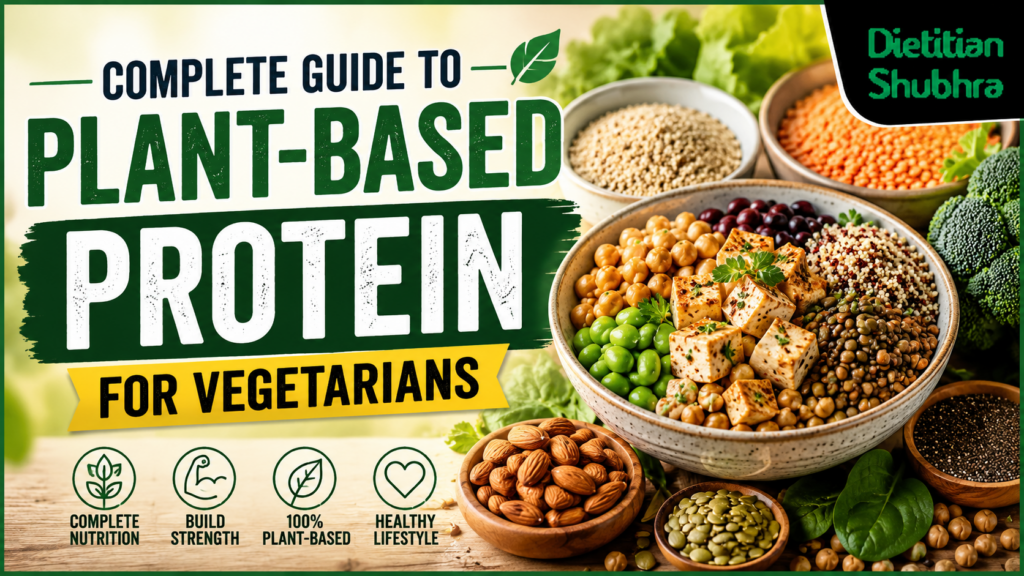
Knowing when to have the right diet, with all the happy vibes meals, is a necessary part of your lifestyle. Along with regular exercise, having the right meals is an essential thing to do. Vegetarians are often believed to be at a loss when it comes to the protein makeup of the day. This, however, is not true, and by giving you a Complete Guide to Plant-Based Protein for Vegetarians, we are ready to prove the haters wrong.
For all those vegetarians out there, fear not the people who tell you that being one doesn’t fill your nutritional requirements; there are many foods in the vegetarian diet that make it easy and worth being a vegetarian, and we are here with just the thing. Here’s a Complete Guide to Plant-Based Protein for Vegetarians. Happy reading !!
When following a vegetarian lifestyle, it’s important to include a variety of protein-rich foods to meet your body’s nutritional needs. Unlike animal-based proteins, plant proteins often come with added benefits such as fiber, antioxidants, and essential vitamins. Some of the best plant-based protein sources include
| Food | Examples | Protein content |
| Legumes | Lentils, Chickpeas, Black Beans, Kidney Beans | 8-9gm |
| Soy Products | Tofu, Tempeh, Edamame, Soy Milk | 8-19gm |
| Whole Grains | Quinoa, Oats, Brown Rice, Millet | 4-8gm |
| Nuts | Almonds, Peanuts, Cashews, Walnuts | 15–25g |
| Seeds | Chia, Flax, Pumpkin, Sunflower, Hemp | 15-30gm |
| Vegetables | Spinach, Broccoli, Kale, Peas | 15–60g |
Getting enough protein on a vegetarian diet doesn’t have to be complicated. With the right ingredients, you can create delicious, balanced meals that fuel your body and keep you energized throughout the day. High-protein vegetarian dishes often combine legumes, whole grains, tofu, paneer, or nuts and seeds to deliver all the essential amino acids your body needs. From hearty curries and stir-fries to fresh salads and smoothies, these meals are not only nutritious but also easy to prepare for busy lifestyles. Whether you’re looking for a quick lunch, a comforting dinner, or a post-workout boost, high-protein vegetarian recipes can support muscle health, aid in recovery, and keep hunger at bay. The following are the recipes one can use wherever they want to have healthier meals and count their protein and calorie intake.
Despite the growing popularity of plant-based diets, many misconceptions about plant proteins still exist. From doubts about their ability to build muscle to fears of incomplete nutrition, these myths often discourage people from embracing vegetarian or vegan protein sources. Here are some of the common myths os plant-based protein preventing you from having a better experience at Complete Guide to Plant-Based Protein for Vegetarians.
Plant-Based Protein Is Incomplete
Many believe vegetarian proteins lack essential amino acids. In reality, combining a variety of plant foods like legumes, grains, nuts, and seeds ensures you get all essential amino acids.
You Can’t Build Muscle Without Meat
Contrary to popular belief, plant-based proteins like tofu, tempeh, lentils, and seitan are excellent for muscle building when paired with strength training.
Plant Proteins Are Low in Protein
Some think vegetables and legumes provide too little protein. Foods like chickpeas, quinoa, edamame, hemp seeds, and nuts are actually protein-dense.
You Need Protein Supplements
While protein powders can help, most people can meet protein needs through a well-planned plant-based diet without relying on supplements.
Plant Protein Is Less Digestible
Although some plant proteins digest slightly slower than animal protein, combining different sources and cooking methods improves absorption significantly.
Vegetarian Diets Can’t Provide Enough Iron and B12
Iron and B12 are often associated with meat, but plant sources plus fortified foods or supplements can maintain healthy levels.
We hope we are able to provide all there is to know about plant-based protein, and are able to have all the right particulars, hence making you a pro at handling your diet and plant-based protein as a vegetarian. For more such details and content, please contact Dietitian Shubra.
What are the best sources of plant-based protein for vegetarians?
Legumes (beans, lentils, chickpeas), soy products (tofu, tempeh, edamame), nuts, seeds, quinoa, and whole grains are excellent vegetarian protein sources.
How much protein do vegetarians need per day?
On average, adults need around 0.8–1 gram of protein per kilogram of body weight. However, athletes or active individuals may require more
What are complete and incomplete proteins?
A complete protein contains all nine essential amino acids. Soy, quinoa, and chia seeds are examples of complete plant-based proteins, while beans or grains may be incomplete but can be paired to balance nutrition.
Do vegetarians need protein supplements?
Not always. Most vegetarians can meet their protein needs through whole foods. Protein powders can be useful for athletes, bodybuilders, or those with higher requirements.
What are common mistakes vegetarians make when trying to get protein?
Relying too much on refined carbs, not including variety, or avoiding soy products unnecessarily are common mistakes that can limit protein intake.
Is plant-based protein as good as animal protein?
Plant proteins can be just as effective when combined properly. Unlike some animal proteins, certain plant sources may lack one or more essential amino acids, but eating a variety ensures complete nutrition.