How to Increase Hemoglobin Levels Naturally
Are you feeling tired after getting enough sleep, struggling to stay active in your daily routine, or simply feeling that your energy is not the same as before? These daily signs can make you wonder whether your body is getting the nutrition it needs. When your body’s haemoglobin levels are low, it can affect how much oxygen your body carries to different parts of your body, which may contribute to tiredness and weakness all day.
Haemoglobin is the protein that is found inside your red blood cells, and its main job is to carry oxygen from the lungs to different parts of the body and help transport carbon dioxide back to the lungs. Various nutrients such as iron, vitamin B12 and folate are essential for supporting healthy red blood cell production and maintaining normal haemoglobin levels.
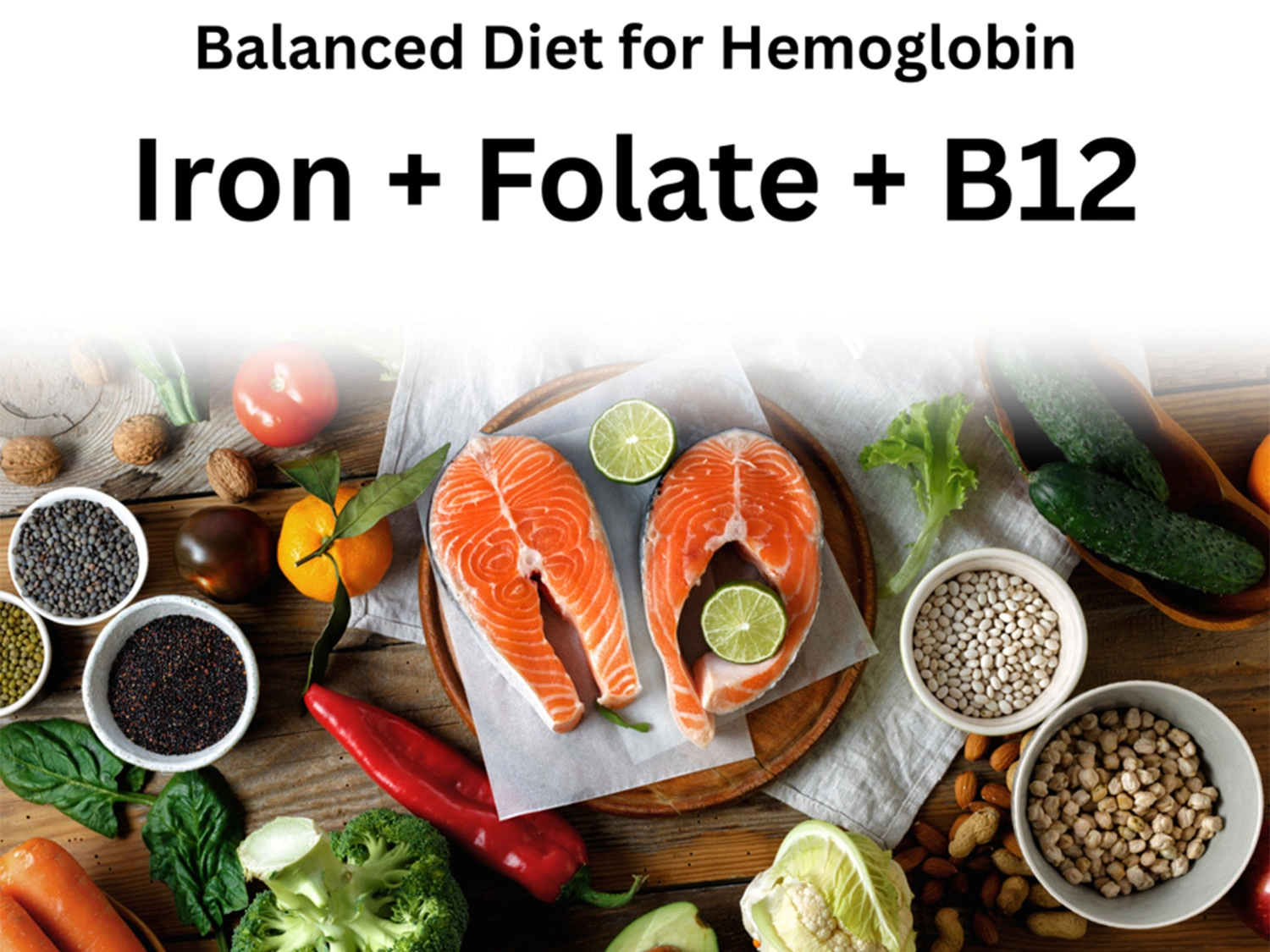
If you want to increase haemoglobin levels naturally, start by reviewing your everyday diet and lifestyle; nutritious foods that provide iron, vitamin C, folate, and vitamin B12 can support healthy blood formation. When you have low levels of haemoglobin, you need to discuss it with a healthcare professional.
What Is Haemoglobin, And Why Is It Important?
Haemoglobin is the protein that contains iron present in red blood cells, and it plays an important role in oxygen transport. In your body, every cell needs oxygen to run properly. Haemoglobin helps to deliver this oxygen from the lungs to all your organs and tissues. When haemoglobin levels become too low, your body does not receive enough oxygen, which can contribute to symptoms such as tiredness and weakness.
- Adequate iron intake
- Vitamin B12
- Folate
- Vitamin C
- Adequate protein
- Healthy red blood cell production
- Absence of excessive blood loss or underlying illness
Also, simply adding only one food in your diet may not be enough. The reason behind low haemoglobin should also be considered.
What Causes Low Haemoglobin Levels?
Low haemoglobin can occur for various reasons, and one of the most common nutritional causes is iron deficiency, but this is not the only cause. Here are some common causes:
- Iron Deficiency
- Vitamin B12 or Folate Deficiency
- Blood Loss
- Poor Diet
- Certain Health Conditions
- Increased Nutritional Requirements
Also, pregnancy, growth, and certain other life stages can increase the body’s requirements for iron and other nutrients.
What Are The Symptoms Of Low Haemoglobin?
The symptoms of low haemoglobin can depend on how low the level is and how quickly it has changed. Mild cases may not cause obvious symptoms, while more significant anaemia can affect daily activities. Here are the common symptoms include:
- Low energy
- Pale skin
- Reduced ability to perform physical activities
- Feeling cold in the hands and feet
- Headaches
- Dizziness or light-headedness
- Difficulty concentrating
- Constant tiredness or weakness
- Increased heartbeat or palpitations
- Shortness of breath, especially during activity
How To Increase Haemoglobin Levels Naturally?
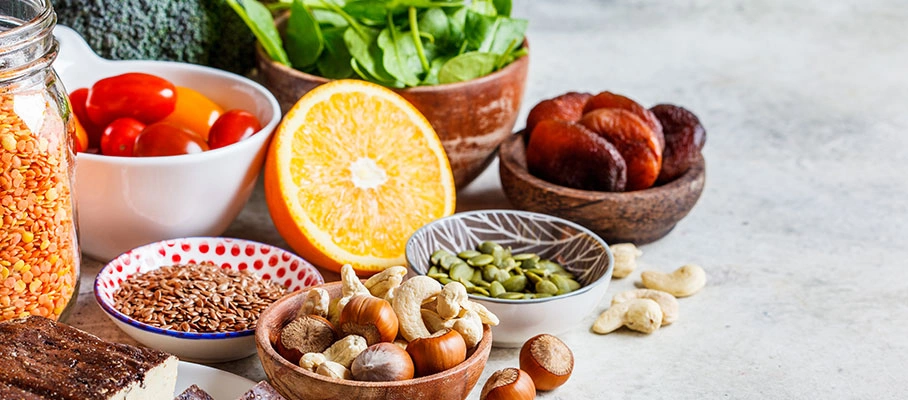
When you improve your overall diet, so it can support your healthy hemoglobin production this mainly focus on consuming a variety of nutrient-rich foods instead of depending on any single food or home remedy.
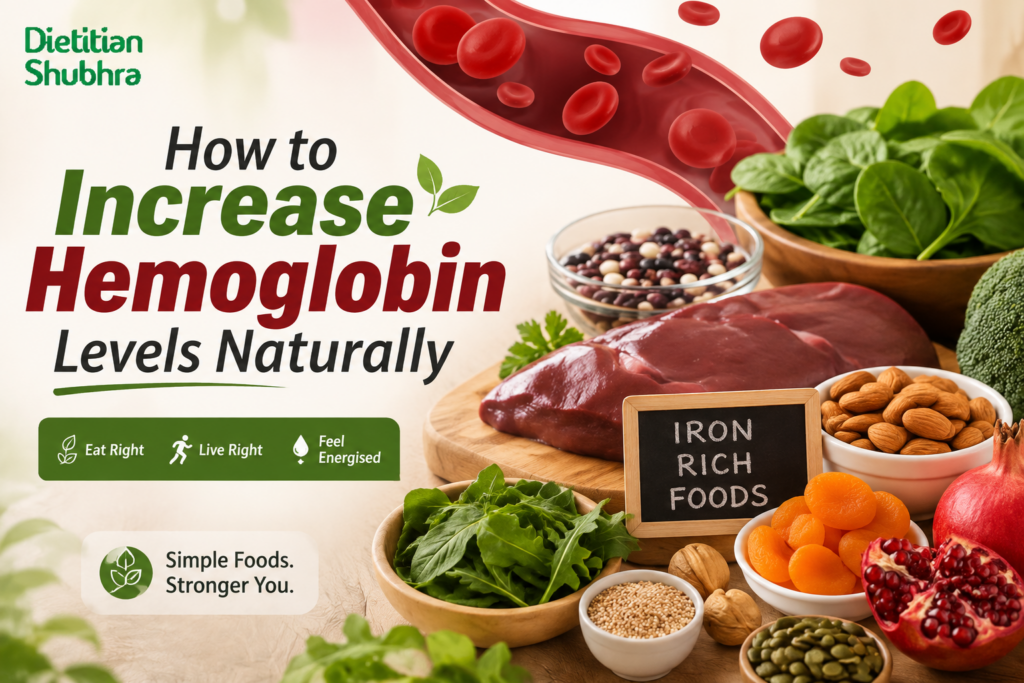
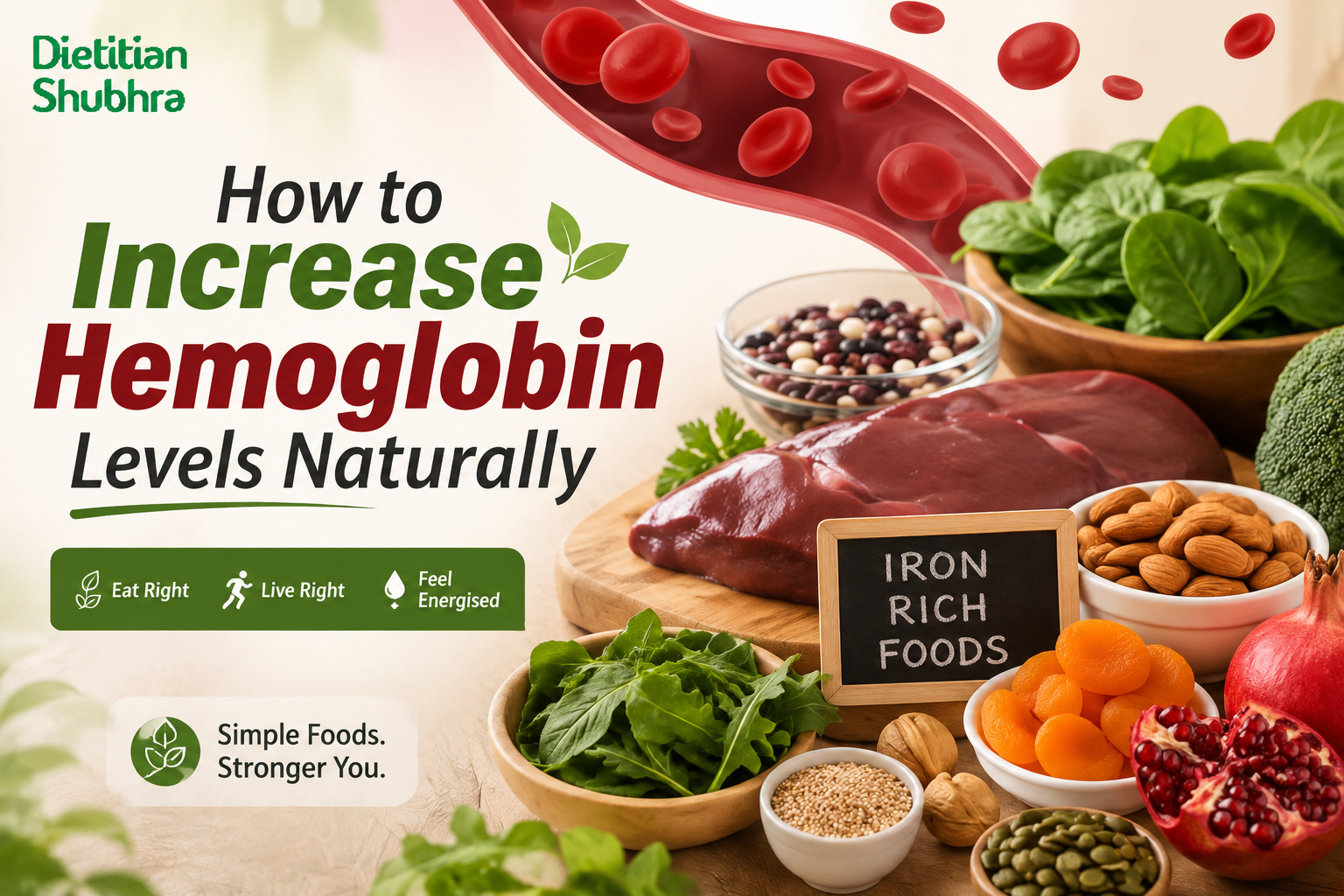
1. Include More Iron-Rich Foods
Iron is an essential nutrient for hemoglobin synthesis. Iron is available in two forms in food: heme iron obtained from animal foods; and non-heme iron obtained from plant foods.
Sources of good iron include:
- Spinach and other green leafy vegetables
- Lentils and dal
- Chickpeas
- Kidney beans
- Soybean seeds
- Sesame seeds
- Pumpkin seeds
- Nuts
- Meat and poultry
- Eggs
- Seafood
2. Eat Vitamin C-Rich Foods
Vitamin C helps absorb iron from various plant-based sources. Thus, eating iron-rich food with a source of vitamin C is an effective diet.
Some vitamin C containing foods are as follows:
- Guava
- Orange
- Amla
- Kiwi
- Lemon
- Tomato
- Capsicum
- Strawberries
3. Include Green Leafy Vegetables
Consumption of green leafy vegetables can add a variety of nutrients into the diet, such as iron and folate. Vegetables such as spinach, fenugreek leaves, and mustard leaves should be included as part of a balanced diet.
Vegetables are not an alternative to medical treatment of anemia when it is due to severe iron deficiency or some other severe condition.
4. Add Legumes and Pulses to Your Diet
Legumes such as lentils, beans, and chickpeas are accessible and healthy sources of protein, iron and vitamins.
The following dishes are good examples of how to incorporate them into your daily diet:
- Moong dal,
- Masoor dal,
- Chana,
- Rajma,
- Chickpea salad,
- Sprouted pulses,
- Legume soups
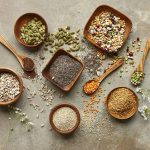
5. Include Nuts and Seeds
Nuts and seeds provide you with healthy oil, nutrition, protein, and other micronutrients. Here are some useful ones:
- Pumpkin seeds
- Sesame seeds
- Flaxseeds
- Almonds
- Cashews
- Sunflower seeds
You can add thes seeds on salads, homemade snacks, or any meals.
6. Eat Adequate Protein
Legumes such as lentils, beans, and chickpeas are accessible and healthy sources of protein, iron and vitamins.
The following dishes are good examples of how to incorporate them into your daily diet:
- Moong dal,
- Masoor dal,
- Chana,
- Rajma,
- Chickpea salad,
- Sprouted pulses,
- Legume soups
When Should You Consult A Dietitian?
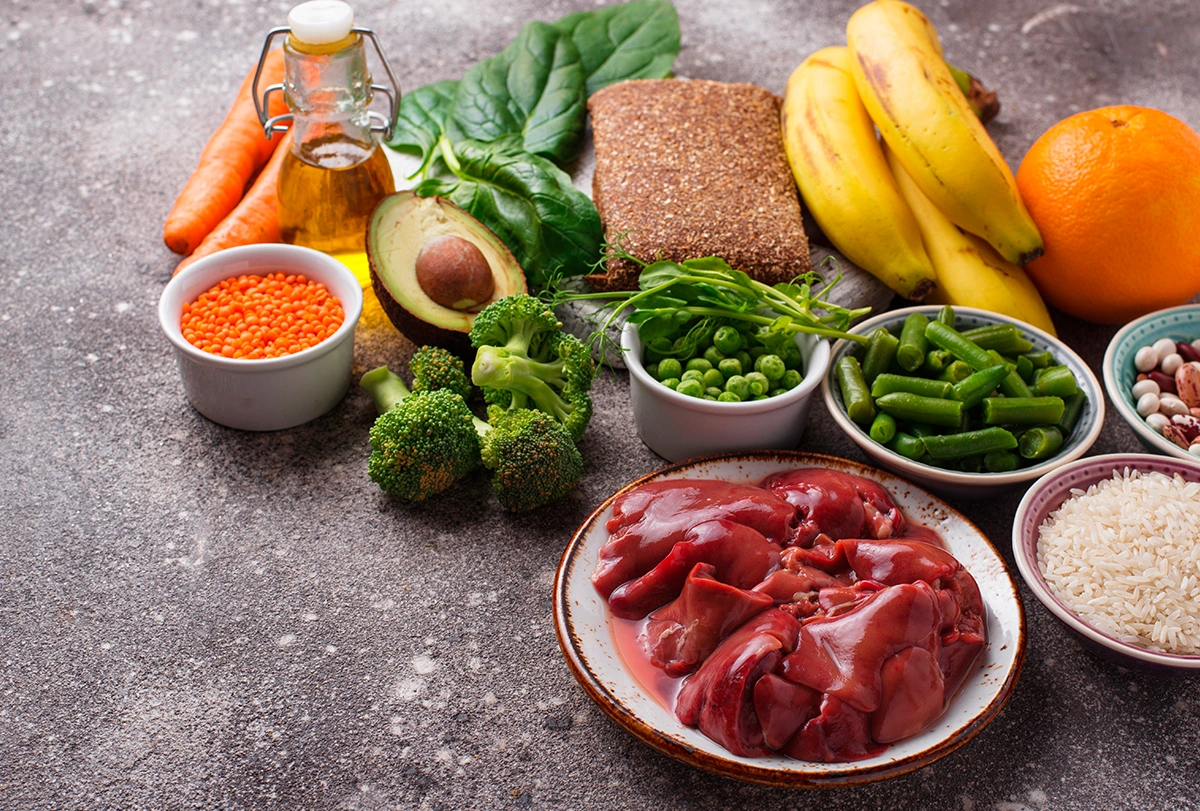
Consultant with dietitian plays a important role in your life because managing calories and nutritional deficiencies every body requires differnt. A professional dietitian can make your diet as per your age, dietary preferences, lifestyle, medical history and laboratory results can influence your diet plan. Also a qualified dietitian help you:
- Find out where your diet is lacking in nutrients
- Select good sources of iron
- Make sure you absorb iron well by carefully choosing foods that go together
- Choose vegetarian or meat-based meals
- Fix any other deficiency in your diet
- Plan realistic meals for your lifestyle
- Boost your nutrition with small changes rather than strict diet.
Dietitian Shubra, will assist you in understanding your nutritional needs and creating a personalised method for healthy eating. It is often necessary to have expert dietary advice when there are issues with repeated malnutrition or the requirement of a meal plan.
FAQ’s Regarding How To Increase Haemoglobin Levels Naturally
Q.1 How does tea or coffee affect haemoglobin levels?
A: Tea and coffee don’t directly affect haemoglobin levels, but when you drink it fluently it can reduce the body’s absorption of iron. If you are trying to support haemoglobin levels, it is better to have tea or coffee between meals rather than immediately after eating.
Q.2 Which nutrients are important for hemoglobin products beside iron?
A: Besides iron, various nutrients such as vitamin B12, folate, vitamin C, vitamin B6, protein, and copper also support healthy haemoglobin levels and red blood cell formation. Also, a balanced diet that provides this nutrition can support overall blood health.
Q.3 How does increasing haemoglobin reduce tiredness?
A: When your haemoglobin level improves, your blood can carry oxygen more efficiently to your muscles and tissues. This helps to reduce tiredness, weakness, and low energy levels when these symptoms are caused by low haemoglobin.
Q.4 Do eggs help to increase haemoglobin levels?
A: Yes, eggs also support healthy haemoglobin levels because they provide you with protein, vitamin B12, and other nutrients that are involved in red blood cell production. You need to consume a correct and well-balanced diet.
Q.5 How do fruits help to enhance haemoglobin levels?
A: Yes, fruits can support haemoglobin levels by providing you with vitamin C, which helps the body absorb iron from plant-based foods; fruits like amla, guava, oranges, and kiwi can be a helpful addition to an iron-rich diet.